
In 1979 a Scottish forestry worker happened across a bizarre vehicle resting inside a clearing of a wooded area on the outskirts of Livingston in West Lothian. On the same day, a NORAD false alarm triggered one of the Cold War’s closest calls of a nuclear exchange with the Soviet Union. Is this mere coincidence, or might both events be linked?
DECHMONT WOODS
The morning of Friday 9th November 1979 started out no different than any other for Scottish forestry foreman, Robert Taylor. After a hearty breakfast he began another hard days work for the Livingston Development Corporation (LDC) along with his trusted canine companion, Lara.
Arriving at Dechmont Woods, a small wooded area on the outskirts of Livingston in West Lothian, he parked his pick-up truck and immediately set about his duties. Walking along a familiar dirt track, Robert began checking for any stray sheep or cattle that may have wandered into the area and secured any gates that had been left unlocked. Everything appeared normal with nothing to indicate anything other than a usual routine inspection. That was until the track opened up into an isolated clearing.
Stopping dead in his tracks, Robert was stunned to see a bizarre object resting on the ground directly in front of him. He described the strange looking vehicle as a large dome, approximately 20ft in diameter, with a downward slanting flange around its base. The dome featured what appeared to be portholes around its circumference and the flange supported equally spaced rodlike appendages.
He further described the vehicle as dark grey in colour with a rough texture similar to that of emery paper. Occasionally, areas of the dome would appear to shimmer or become partially transparent before returning to an opaque state. Being so entranced by this peculiar phenomenon, Robert was unable to remember the appearance of the vehicle’s underside.
Standing mesmerised in an attempt to make sense of what was merely feet in front of him, he became aware of two additional objects. Roughly 3ft in diameter, the sphere shaped contraptions featured around six spikes or rods that projected outwards from their surface areas, giving them a striking resemblance to Second World War naval mines. Robert stated that the two objects rolled towards him and grabbed him by his trousers before pulling him to the ground and dragging him forward. At this point he lost consciousness.
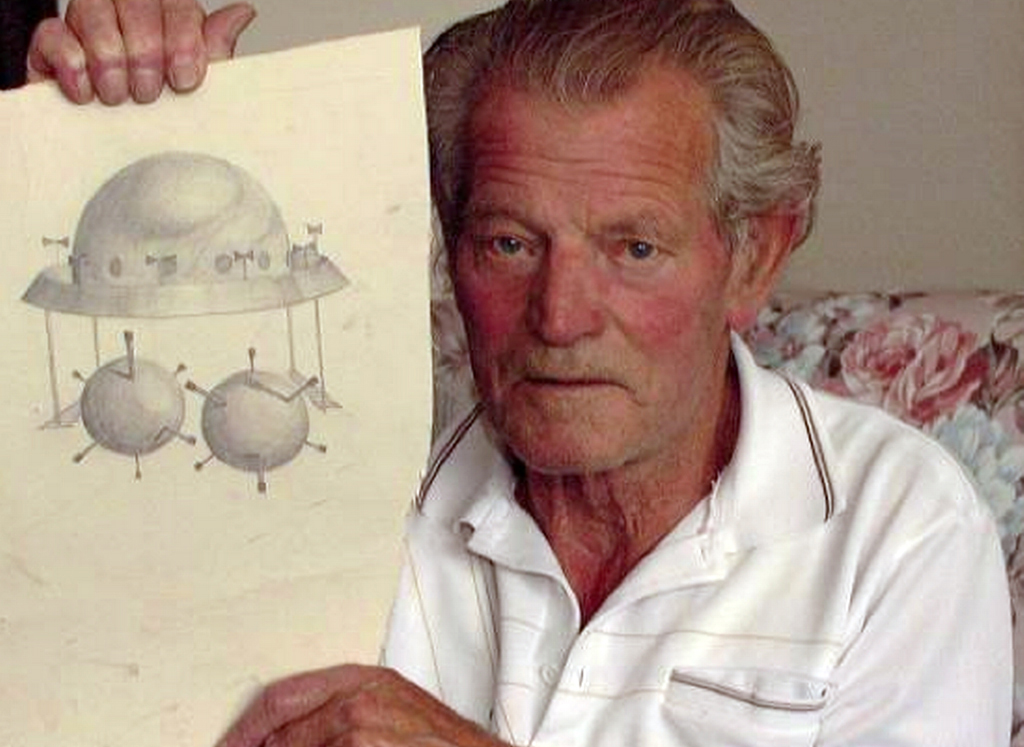
Robert Taylor with an artists impression of the objects he witnessed. Credit: Unknown
Following an undetermined period of time, Robert regained consciousness and found himself lying in the same isolated clearing in the woods. The strange dome shaped vehicle along with the two sphere shaped objects were now nowhere to be seen. Feeling extremely weak and unable to walk, he managed to crawl back to his pick-up truck in an attempt to call for help on his radio. Upon realising he was unable to speak due to an incredibly irritated throat, he instead tried to drive the vehicle out of the area only to become stuck in a ditch. Barely able to walk, feeling nauseous and with a powerful headache, Robert managed to stagger back to his home only a short distance away.
Arriving at home with his speech partially regained, Robert explained to his wife that he had been attacked by a “spaceship”. Noticing her husband was clearly distressed and in a dishevelled state, Mary telephoned Robert’s boss, Malcolm Drummond hoping for some answers. In complete bewilderment and unable to provide an explanation, Drummond immediately made his way to the family home to ascertain the location of the encounter. As Drummond set off to investigate, Mary summoned the family Doctor, Gordon Adams, in the fear that her husband may have sustained a significant injury. Following a thorough check-up, Dr Adams admitted Robert to hospital as a precautionary measure; however, before leaving Robert insisted that he return to the location of his encounter along with Drummond who had been unable to locate it. Fresh in his memory, Robert soon found the site and enthusiastically pointed out several indentations on the ground, presumably left by the objects that he encountered. As Robert left for Hospital, Drummond reported the incident to the Police who subsequently dispatched a team of officers from Livingston station. Following a thorough examination, LDC fenced off the site to prevent any contamination of the now crime scene.
When later asked to comment, Malcolm Drummond stated:
“There is no doubt in my mind that these marks were made by a perfectly solid, heavier-than-air object. They had been made by some machine which had come vertically downward. I don’t believe in anything from outer space. The only conclusion that I can come to is that it must have been a man-made object, some sort of secret machine belonging to one of the Government departments.”
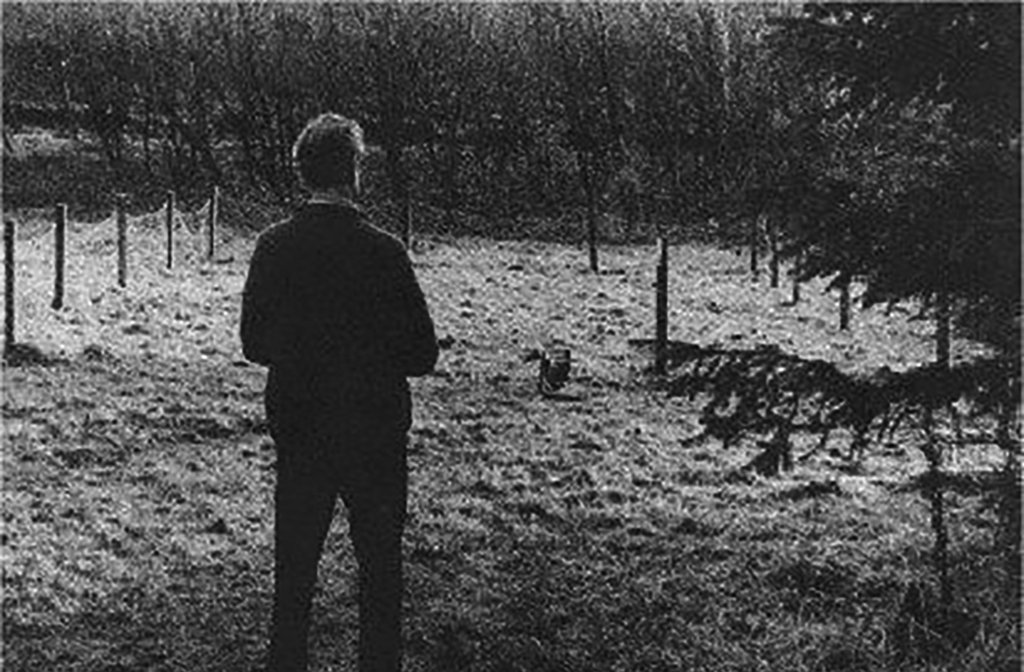
Robert Taylor at the scene of his encounter. Credit: Unknown
The incident was treated as a serious assault and as such, a lengthy Police investigation ensued. Further analysis of the site and Robert’s clothing was undertaken; however, in relation to his account nothing conclusive was ever found. Following the initial interviews, Police checks were made on Robert’s character which found him to be highly respected in his community and a very reliable witness.
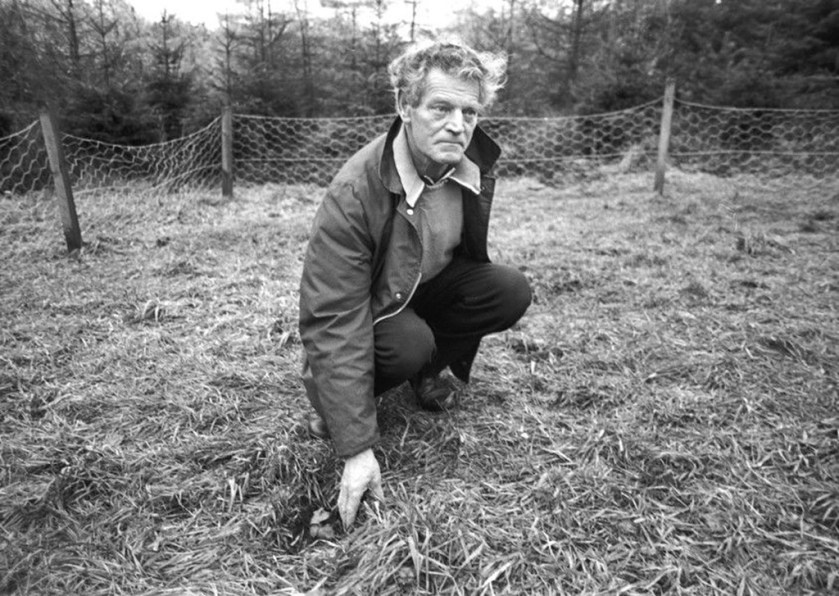
Robert Taylor examines markings on the ground at the landing site. Credit: Unknown
STAR WARS
As the Soviet Union exponentially grew its Nuclear Weapons stockpile throughout the 1970s, fear grew in the United States of an all out attack that would completely overwhelm the nations defences. As a precautionary measure the American Government tasked certain research and development agencies with the development of Ballistic Missile Defence systems (BMD).
One such agency was Lawrence Livermore National Laboratory (LLNL) which primarily focused on new weapons design concepts. In response to their new task they began developing an X-Ray laser BMD system codenamed Excalibur. The system was specifically intended to destroy large numbers of Soviet Intercontinental Ballistic Missiles (ICBMs) outside of the Earths atmosphere.
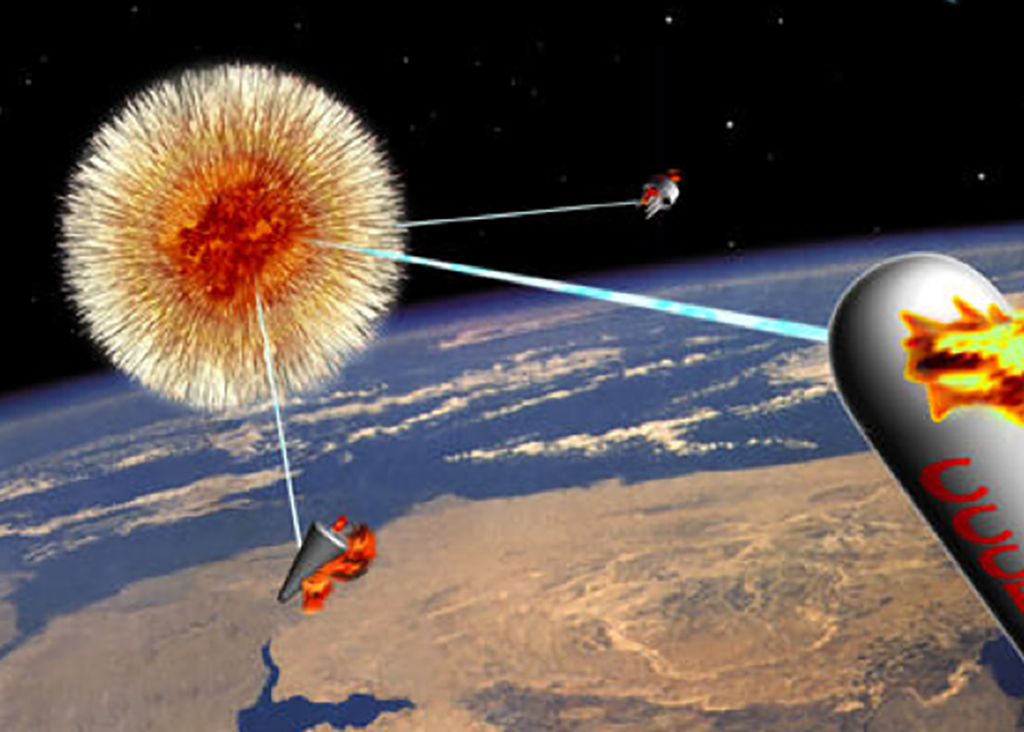
Artists impression of a detonating Excalibur system. Credit: Lawrence Livermore National Laboratory
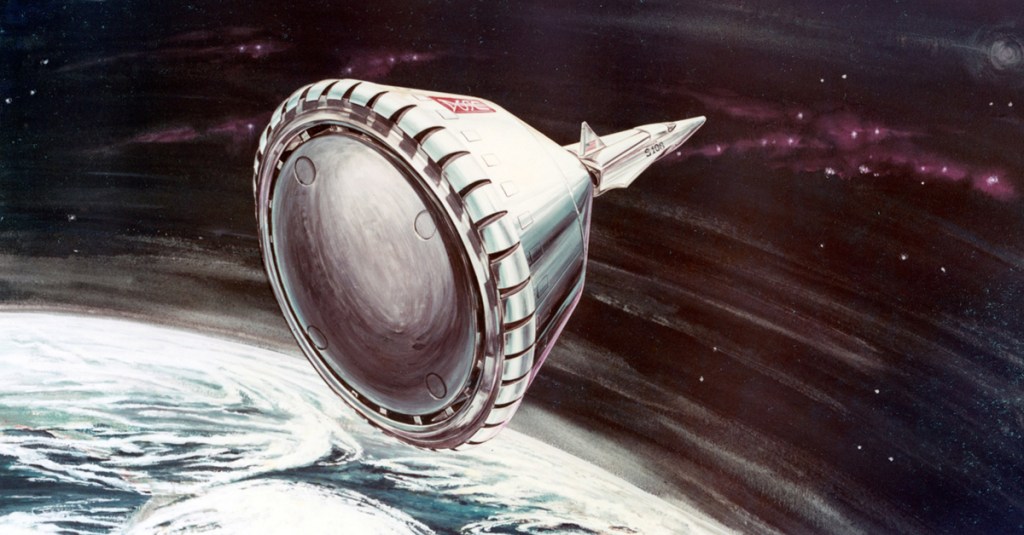
Excalibur consisted of a small nuclear bomb that was surrounded by a framework of expendable X-Ray laser rods and tracking modules that could each be separately aimed. During a Soviet ICBM attack, the orbiting system was designed to track and target each incoming missile. After a maximum amount of targets were acquired it would detonate itself sending X-Ray laser beams through the rods that would theoretically destroy the Soviet missiles thousands of miles away.
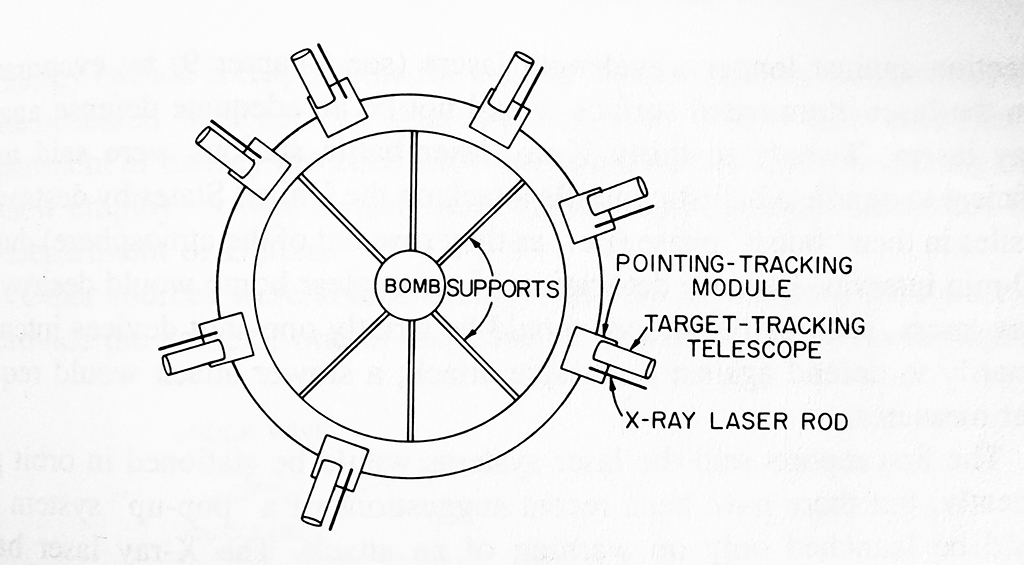
Artists impression of the Excalibur system. Credit: Jeff Hecht
The Excalibur system was unique insofar as that it could target enemy ICBMs in their Boost Phase of flight, the optimal time to track enemy missiles. Its ability to destroy these missiles before their warheads could be deployed was a huge advantage to the United States as this would drastically reduce the number of enemy targets to intercept along with its associated cost. A single Excalibur system was designed to contain up to 50 laser rods that could potentially destroy a corresponding number of enemy missiles. When considering an attack containing hundreds or even thousands of Soviet ICBMs, the benefits of Excalibur become clear.
Excalibur was conceived in the early 1970s by a special projects group under supervision of the theoretical physicist, father of the hydrogen bomb and then LLNL Director, Edward Teller. “Officially” first tested in 1978, Excalibur served as the basis of, and was absorbed into President Ronald Reagan’s Strategic Defense Initiative (SDI). Also known as Star Wars, SDI was a proposed BMD shield to be created outside of the Earths atmosphere. The program intended to utilise a wide array of advanced concepts including lasers and particle beam weapons to create an impenetrable barrier against a Soviet ICBM attack.
To this day, Excalibur remains highly classified.
ACROSS THE POND
Analysts at North American Air Defense Command (NORAD), a United States early warning defence network in Colorado, were aghast at what they saw. Staring in complete shock and utter disbelief their screens displayed a colossal scale nuclear attack inbound from Russia. The date was Friday 9th November 1979, and the incident would go down in history as one of the most frightening close calls of the entire Cold War.
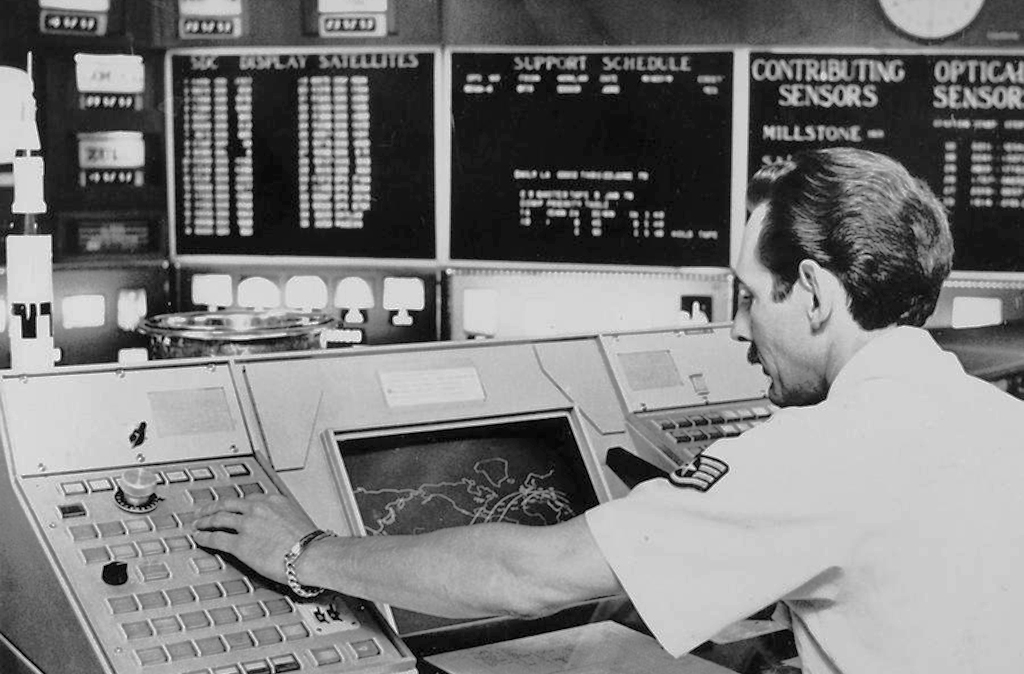
An analyst tracks orbiting satellites at NORAD 1979. Credit: GRANGER historical picture archive
While the warnings indicated the huge number of Soviet ICBMs were fast approaching the continental United States, the threat was simultaneously relayed throughout the defence chain at a number of other key sites. This immediately led to defensive actions. Fighters were scrambled from strategic locations and the National Emergency Airborne Command Post also took to the air. The Doomsday Plane, as it’s also known, is utilised so that Government and Military officials can continue to control United States forces should a nuclear attack destroy key infrastructure.
According to a memoir of former United States Secretary of Defense, Robert Gates, knowledge of the dire situation moved swiftly up the chain of command to then President Jimmy Carter’s National Security Advisor, Zbigniew Brzezinski. After being made aware of the situation by his military assistant, William Odom, Brzezinski luckily held off for as long as he could before having to notify the President who possessed the ultimate authority to initiate a retaliatory strike. Only in the last minute was Brzezinski informed that the attack was a false alarm.
In Robert Gates’s own words:
“As he recounted it to me, Brzezinski was awakened at three in the morning by Odom, who told him that some 250 Soviet missiles had been launched against the United States. Brzezinski knew that the President’s decision time to order retaliation was from three to seven minutes. Thus, he told Odom he would stand by for a further call to confirm Soviet launch and the intended targets before calling the President. Brzezinski was convinced we had to hit back and told Odom to confirm that the Strategic Air Command was launching its planes. When Odom called back, he reported that 2,200 missiles had been launched. It was an all-out attack. One minute before Brzezinski intended to call the President, Odom called a third time to say that other warning systems were not reporting Soviet launches. Sitting alone in the middle of the night, Brzezinski had not awakened his wife, reckoning that everyone would be dead in half an hour. It had been a false alarm. Someone had mistakenly put military exercise tapes into the computer system.”
For a whole 6 minutes the world stood obliviously on the brink of nuclear armageddon.
Soon after, it became known that a technician had caused the error by accidentally loading a military training exercise tape into the wrong computer. The mistake then simulated the attack into the live warning system.
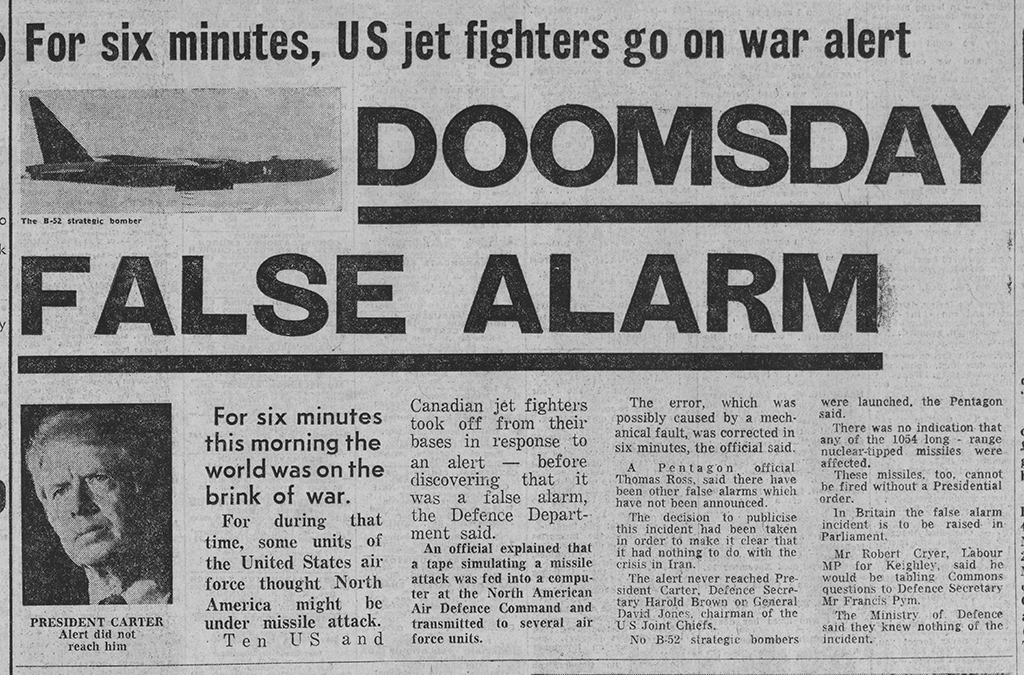
Edinburgh Evening News 10th November 1979 (Incorrect date of incident is reported). Credit: Johnston Press
The incident became widely reported in the press as the United States Department of Defense (DoD) sought to control the narrative. Fearing an alarmed Soviet leadership, the DoD downplayed the matter in a New York Times article from 1979. When asked to comment by the newspaper, a Defense spokesperson stated that the incident was deemed insufficiently urgent to warrant notifying top Government or Military officials, contrary to Gates’s account. They further whitewashed the incident by stating that the threat was from only a “few” missiles launched by a Soviet submarine (SLBM), a statement that is in direct conflict with a Defence document from March of 1980. Writing to the Chairman of Joint Chiefs of Staff regarding the incident, the Director of the Joint Staff stated that the actual number of Soviet ICBMs (and not SLBMs) inbound for the United States was 1,400. This is a clear indication of DoD deception, and a step closer to the 2,200 inbound missiles specified by Gates.
The DoD declared that the “official” time the war game tape was loaded into the NORAD early warning system was 10:50am ET on Friday 9th November 1979; however, this is also in direct conflict with Gates’s memoir which clearly states that Brzezinski said he had been awoken at 03:00am ET by his military assistant informing him of the alarm.
Assuming Brzezinski was at his own residence in Virginia when he received William Odom’s call, and taking Daylight Saving Time into consideration, would mean that the false alarm took place just two and a half hours before Robert Taylor’s sighting at 10:30am GMT on the same day.
Unless Brzezinski or Gates confabulated their memories of the event, then Gates may have inadvertently exposed the true time and scale of the false alarm that the DoD clearly tried to suppress.
NATIONAL SECURITY
It’s understandable why any Government department tasked with National Security would disclose little data of such false alarms and even spread disinformation regarding their details. The fear of compromising military plans, capabilities and reaction times to the Soviet intelligence network, especially at times of heightened political tensions, was taken extremely seriously.
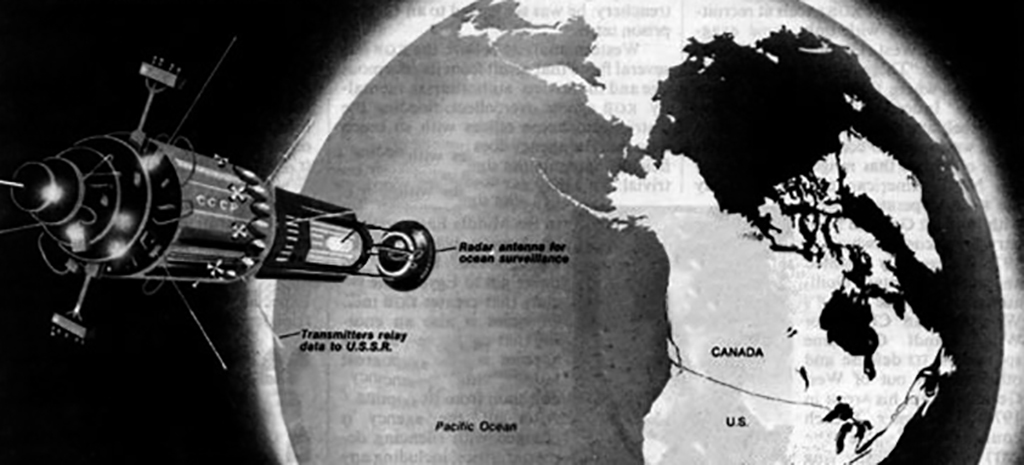
Artists impression of a Soviet Kosmos surveillance satellite over the North American continent 1978. Credit: Time Magazine
Due to fears of American underestimation in Soviet military capability, a competitive analysis exercise was commissioned by the Central Intelligence Agency (CIA) in 1976. The exercise, titled “Soviet strategic objectives – an alternate view” concluded that years of national intelligence estimates, produced annually by the CIA, had extremely underestimated Soviet military power and their strategic intentions. It further expressed that the Soviets not only had the weapons to win a nuclear war, but that their military also believed they could. By 1980, Soviet nuclear weapons stockpiles were numbered at a vast 30,062 compared to American stockpiles of 23,368.
The conclusions exposed a perceived window of vulnerability in which defence of the United States was severely diminished. This, in turn, encouraged an increase in military spending and a build up of arms by the Carter administration that ended the period of eased tensions and cooperation with the Soviet Union known as Détente.
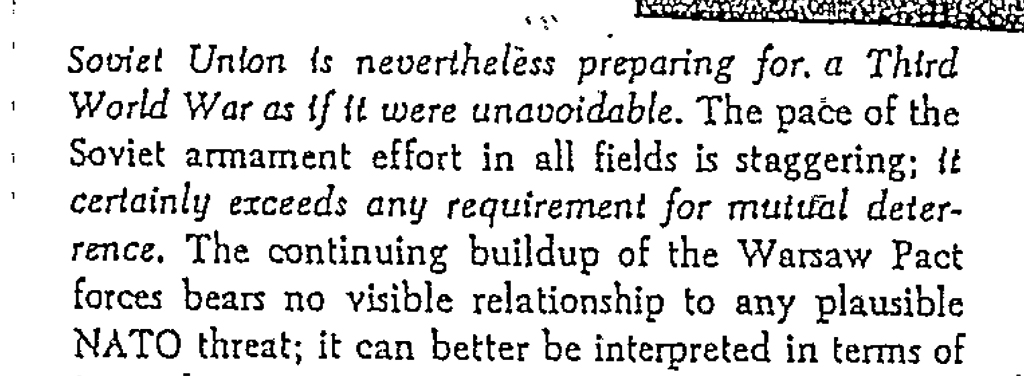
Excerpt from Soviet Strategic Objectives an Alternative View. Credit: National Security Archive
In short, the political climate of the time made it extremely risky to dismiss thousands of incoming Soviet missiles as a false alarm. It was widely understood that in the event of nuclear warfare there would be no second chances.
POPPING UP
The similarity between the Excalibur system and the two naval mine like objects witnessed by Robert is compelling. Excalibur was reportedly both small and lightweight, meaning that multiple devices could be carried to orbit inside just one payload bay of NASA’s Space Shuttle. Robert’s description revealed that the two naval mine like objects were approximately 3ft in diameter which is more than enough size to house a small nuclear warhead of the kind intended for Excalibur.
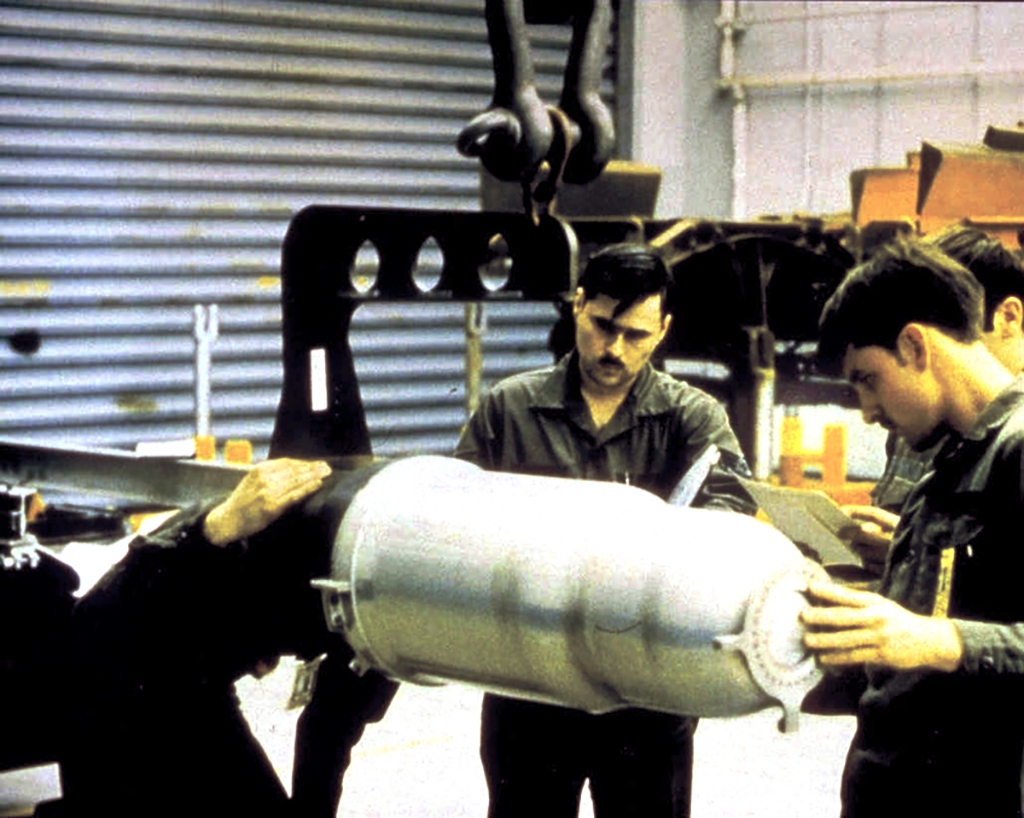
U.S. technicians working on a W80 thermonuclear warhead designed in 1976. Credit: U.S. DoE
The X-ray laser rods were designed to be very long and skinny, much like the spikes that Robert described. Even though Excalibur remains highly classified, past articles in scientific and optics related journals contain descriptions of how the device may have been built. All conform to anywhere between 4 and 50 X-Ray laser rods and tracking modules all arranged around a framework containing the nuclear device. The framework has often been described as a cylinder or ring; however, speculation existed that a sphere could provide enhanced targeting and tracking capabilities.
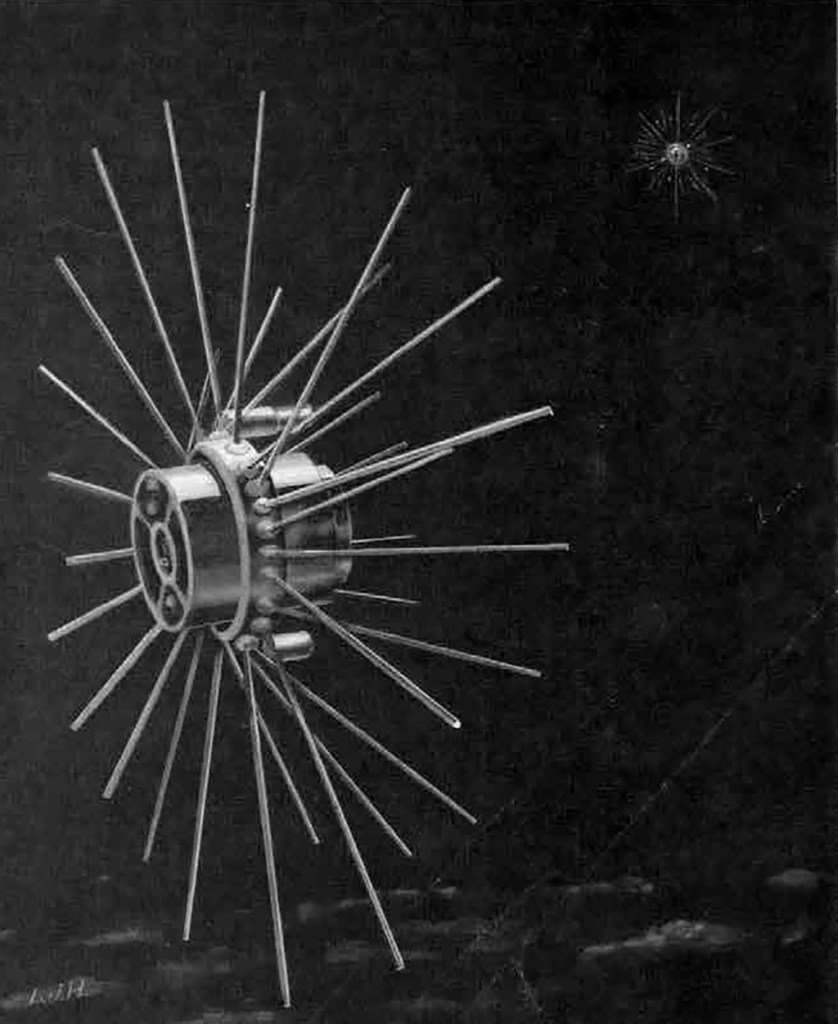
Artists impression of the Excalibur system. Credit: Unknown
The designers originally planned for multiple Excalibur systems to be transported by NASA’s Space Shuttle and placed in orbit indefinitely, in an effort to have the best possible chance of defeating a Soviet ICBM attack. However, due to interception vulnerabilities and the Outer Space Treaty (a treaty banning both the United States and the Soviet Union from deploying nuclear weapons in space), a pop-up system was proposed. After being hidden in secret locations or placed on submarines, Excalibur would now be transported to orbit as and when the Soviets launched their ICBMs.
Whatever that transportation method was, it remains to be divulged.
THE OTHER SPACE SHUTTLE
As NASA turned their attention to building a low earth orbit Space Station during the late 1960s, it soon became clear that a ferry and logistics vehicle would be needed. A small shuttle was envisioned that could carry basic supplies and replacement crews to and from the station. NASA tendered a four phase development program to design a low cost and reusable Space Transportation System (STS) in 1968.
Among the aerospace companies such as North American Rockwell and Lockheed Corporation tendering for the STS program was Chrysler Aerospace. In addition to manufacturing automobiles, Chrysler was already a major player within the spaceflight industry, having produced the Redstone rocket that sent some of the first Astronauts into suborbital space, along with the Saturn 1B rocket for the Apollo space program.
Of the initial entries, Chrysler’s design was by far the most radical and completely ahead of its time. It’s unusual bell shaped appearance was certainly unconventional when compared to the other STS concepts but this was also the result of its design fundamentals. The Chrysler Single-stage Earth-orbital Reusable Vehicle or SERV for short, capitalised on many years of aerodynamic research into ballistic re-entry. The similarity to the tried and tested shape of vehicles such as the Apollo capsule was most definitely not down to mere coincidence. Its stumpy body also provided a neat fit for its radical and extremely powerful Aerospike engine that would propel it to orbit. When not ferrying passengers the SERV would be able to operate autonomously delivering cargo to the future space station.
Upon completing its mission, the SERV would re-enter the atmosphere and return to earth. At 25,000 feet an array of 28 turbojet lift engines would ignite to slow the descent and guide itself to a gentle landing. It was also able to hover for as long as its jet fuel would last.
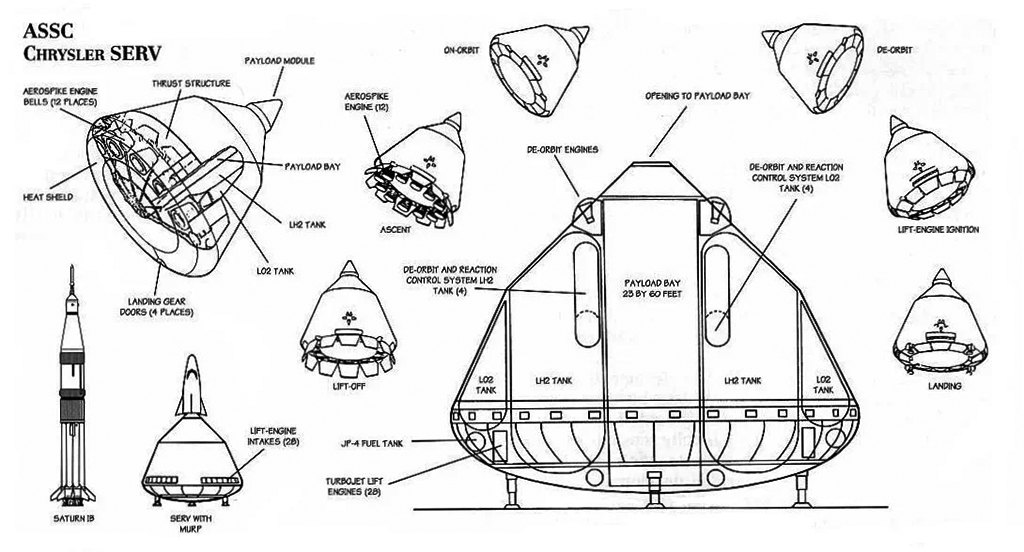
Chrysler SERV in operation schematic drawing. Credit: NASA
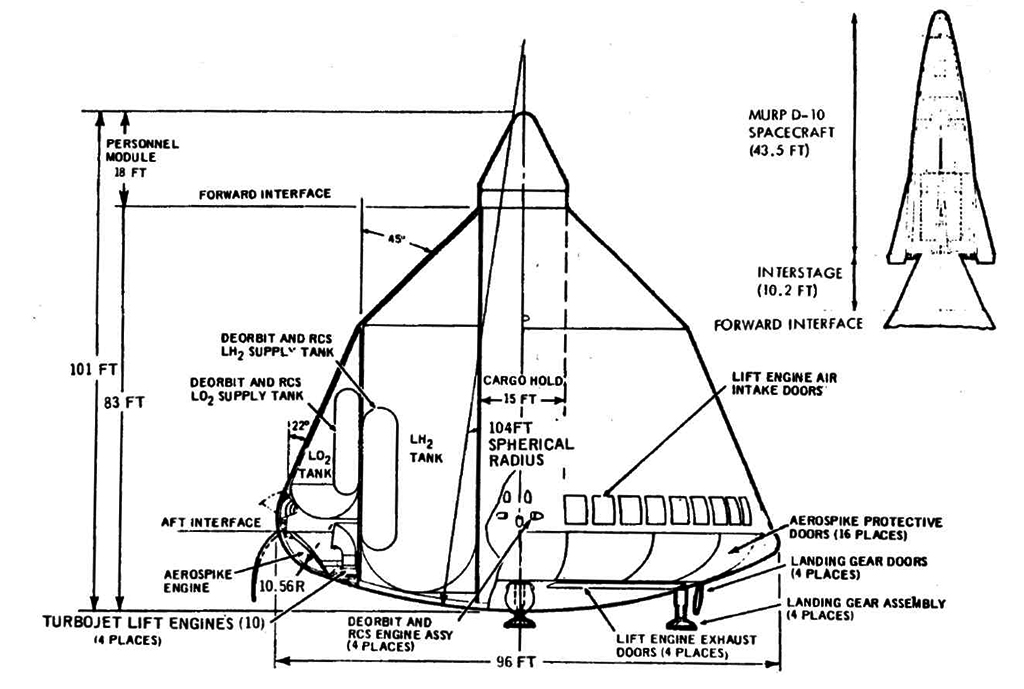
1971 document Project SERV Final Review. Credit: NASA
Chrysler’s SERV advanced to phase 2 of the NASA program during the summer of 1971; however, never made it to phase 3 where a prototype SERV could be built. If successful, Chrysler would have been given the contract in January of 1973 with the anticipation of having a first test flight towards the end of 1977. The first operational flight was planned for early 1978.
Due to the classified nature of NASA’s STS program, no official documentation exists that can help explain NASA’s reasoning for the cancellation of Chrysler’s SERV, therefore leaving it to speculation only. The management at NASA had concluded early on that a spaceplane was the direction they wished to proceed and their astronauts were not keen on an unmanned space truck that could fly cargo only missions. NASA’s engineers were also concerned that a number of technologies required further development to make the SERV a success.
Whatever the reasons, the “official” story of Chrysler’s SERV ended long before making it off the drawing board. Or did it? Might a smaller derivative of Chrysler’s SERV have been further developed behind closed doors? Might Robert have witnessed a SERV like vehicle developed specifically to carry Excalibur like X-Ray weapons to orbit? One cannot deny the similarities between the SERV, Excalibur and the objects described by Robert (as well as his memory could recall). But why would a secret ABM system land in full view of a busy Scottish Motorway?
M8 MOTORWAY
As the bulk of the Soviet Union’s arsenal of ICBMs were located close to Russia’s border with Eastern Europe, the majority of missiles forming an all-out attack on the United States during November of 1979, would have been launched from this location. The missile flight paths would have arched over the Arctic Circle making their way to a multitude of military targets and large population centres on the North American continent.
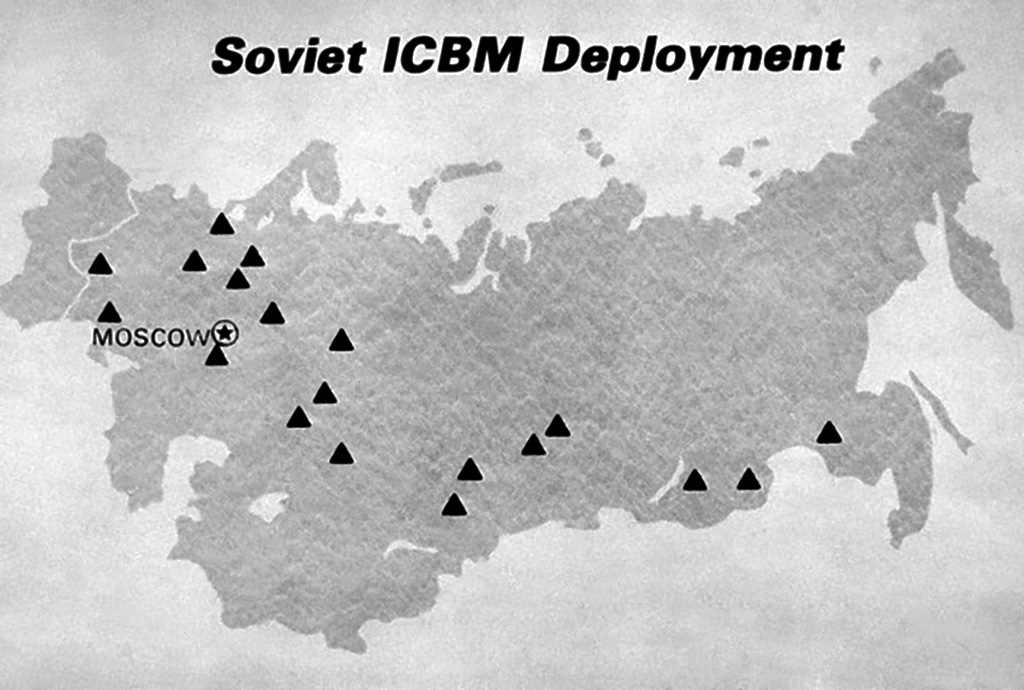
Soviet ICBM deployment map 1982. Credit: U.S. National Archives
Launched from a secret location as part of a larger defensive action, any SERV like vehicle carrying X-ray weapons similar to that of Excalibur, would need to deploy its cargo within range of an inbound ICBMs boost phase of flight as quickly as possible. As before mentioned, it was during this phase of flight that was the optimal time for Excalibur to intercept its target.
As the Outer Space Treaty had been under full implementation since 1967, any United States confirmation of a false attack would have led to an immediate abort of such an interception, in the fear of Soviet detection. Close in proximity was Scotland, and as such, could provide a convenient off-ramp for the aborted flight of any secret ABM system.
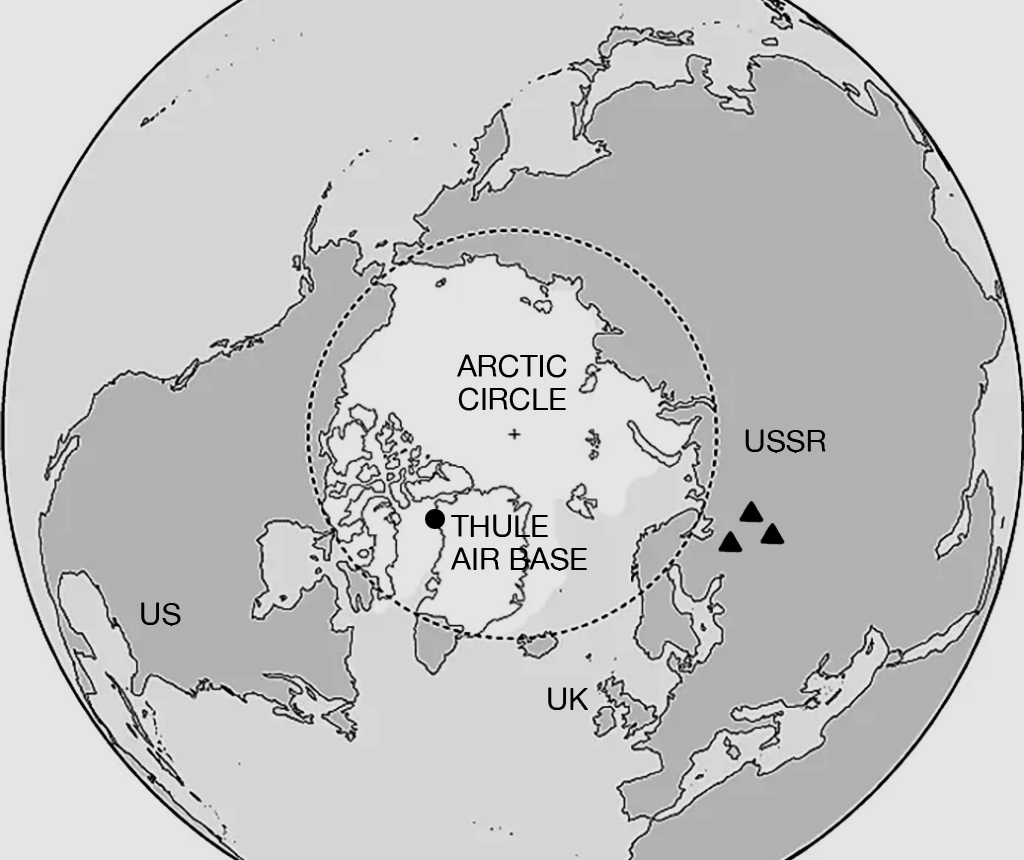
Map illustrating Scotlands close proximity to the area of interception. Shown is Thule Air Base, a potential launch site for a SERV like vehicle.
Due to its strategic location close to the Greenland-Iceland-UK Gap and continental Europe, Scotland was home to the largest American military infrastructure outside of the continental United States during the Cold War. By 1979 the visiting forces were in command of numerous sites on Scottish soil, ranging from an extensive nuclear submarine base to reinforcement airfields.
One such airfield was RAF Machrihanish. With its enormous 10,000ft runway the airfield was capable of handling the most challenging of landings, and as such, was certified from 1981 as a potential emergency landing site for NASA’s Space Shuttle in the event of a trans-oceanic abort. The airfield was also capable of storing nuclear warheads since the United States Navy established a suitable weapons storage facility there in 1968.
Although possibly the preferredlanding site, it would appear that RAF Machrahanish was not the intended destination for the potential SERV like vehicle witnessed by Robert in Dechmont Woodson the 9th November 1979. During its ballistic return to Earth Chrysler’s SERV could aim to land within an approximate area of 10 miles in diameter which would place the landing site far closer toRAF Machrahanishthan the actual site at Dechmont woods over 100 miles away. If, upon re-entry, the SERV like vehicle had been beyond a return marker for a landing to be possible at RAF Machrahanish, then the designation of an alternative landing site would be imperative.
Approximately 6 miles from Dechmont Woods lies a remote airfield hidden in the rural West Lothian countryside. Currently retained by the MoD, RAF Kirknewton is home to No 661 Volunteer Gliding Squadron; however, for a considerable time it had been operated by the United States Air Force (USAF).
Constructed in 1941, the airfield was used by a number of units during the Second World War, but from 1952 it was utilised as a communications listening post by the CIA and USAF to monitor Soviet radio and radar transmissions. At the time, the Airfield was under high security and all its personnel possessed top secret security clearances. Officially, operation of RAF Kirknewton was returned to the MoD in 1967; however, reports show that the airfield had remained in control of the USAF until September 1991.
Following a trans-oceanic abort, the remote Kirknewton airfield could provide an ideal landing site for any classified SERV like vehicle seeking immediate refuge from public view. Potentially stored in one of the few larger hangars, until a suitable airlift could be arranged.
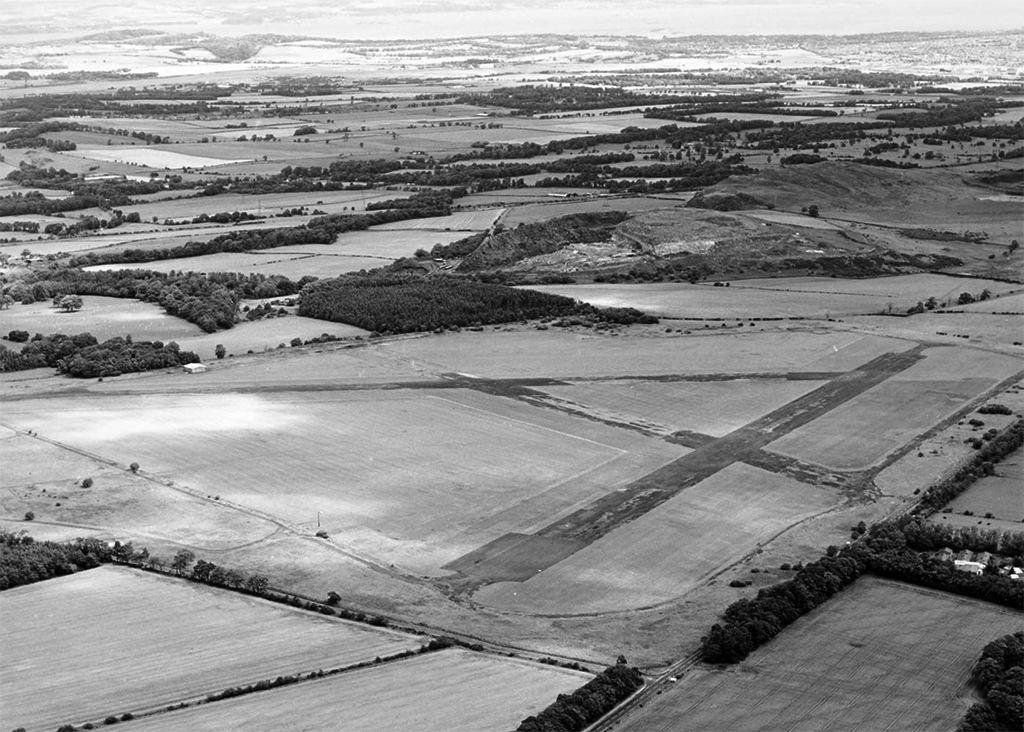
RAF Kirknewton airfield 1998. Credit: RCAHMS Aerial Photography
Chrysler’s SERV would have been able to use its arrangement of jet engines to land within 75 meters of a selected aim point when close to the ground. This essential accuracy is needed for any reusable space vehicle, but it is also extremely useful if seeking an area of concealment from public view.
Utilising Britain’s network of motorways such as the M1, M6 and M8, the MoD has historically transported its nuclear weapons by road. Nuclear weapons convoys as they are known, often travel from England to Scotland, delivering nuclear warheads from the Atomic Weapons Establishment sites at Burghfield and Aldermaston in Berkshire, to the Royal Navy’s Armaments Depot at Coulport in Argyll and Bute. The reverse journey is also periodically made for essential warhead maintenance and refurbishment. As the movement of nuclear weapons are kept top secret by the MoD, the vast majority of journeys go unnoticed by the British public.
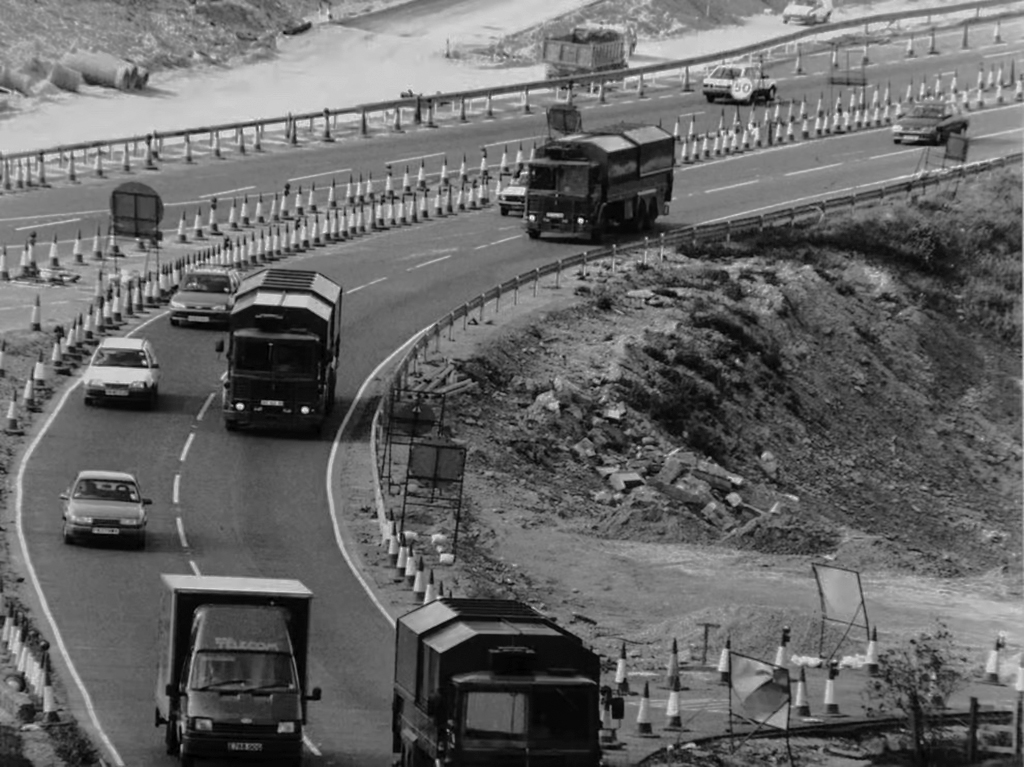
Polaris container trucks on the M6 1991. Credit: Lancashire Post
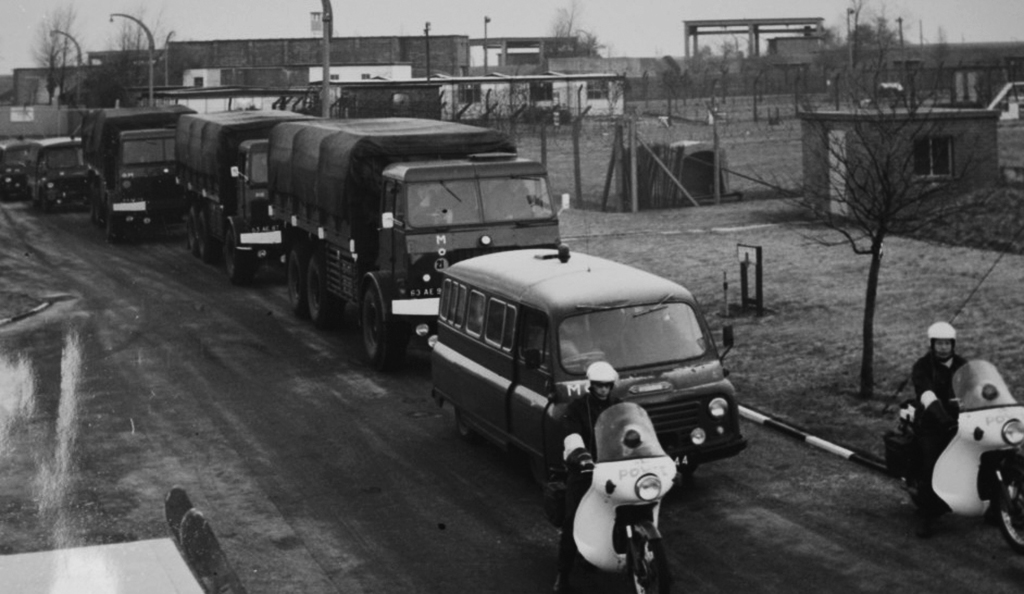
Nuclear warhead transportation RAF Faldingworth 1972. Credit: ACTA
Taking advantage of its considerable maneuverability, a SERV like vehicle and it’s dangerous nuclear cargo descending over Dechmont Woods would logically aim to land as close as possible to the M8 Motorway, aiding any retrieval operation performed by the MoD on behalf of the United States Government. A clearing surrounded by trees and the natural cover of a nearby hill (Dechmont Law) would certainly provide the concealment needed until a recovery could be made. Any personnel involved in such a retrieval would doubtlessly be forced to abide by the restrictions of the Official Secrets Act.
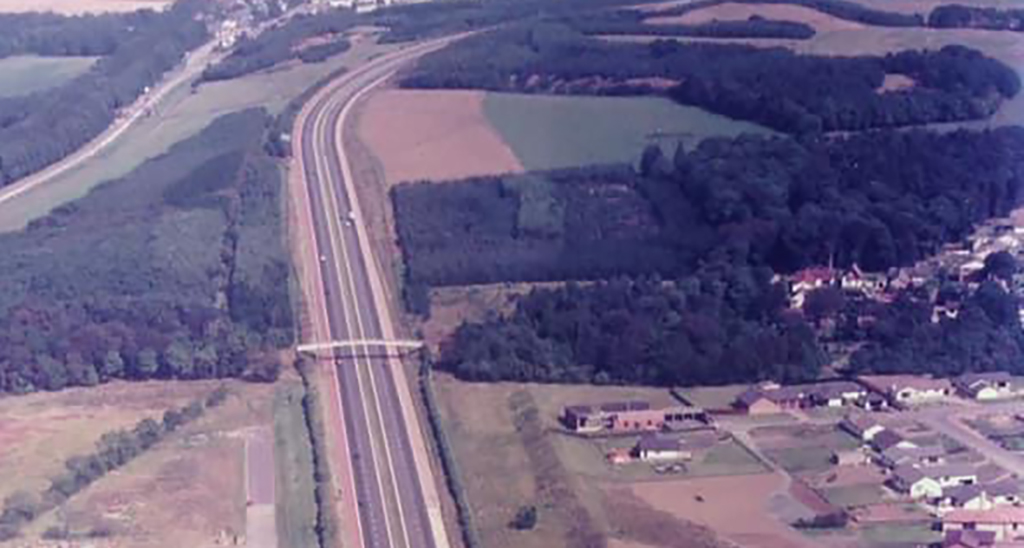
M8 Motorway next to Dechmont Woods (top right) 1982. Credit: Unknown
The following example illustrates existing covert collaboration between the Governments of the United States and the United Kingdom, while at the same time exposes the MoD’s long reach of suppression. In 1962 a strange object, thought to be part of a Soviet satellite, was found on a hillside by a shepherd near the small Scottish village of Ardgay. Months would pass before a sceptical RAF reluctantly dispatched a mountain rescue team to investigate. The unusual box shaped object was was later determined to have a camera port; however, the camera itself along with any film had clearly been removed. It seemed that someone had beaten the RAF team to the crash site quite some time before. The mystery only deepened when the RAF team were later ordered by the MoD to delete all references of the incident from their records.
It wouldn’t be until decades later that declassified Air Ministry Documents revealed the truth behind the strange object. The documents divulged details of a secret CIA spy programme based in Scotland during 1956 codenamed Project Genetrix. USAF personnel launched huge camera carrying surveillance balloons into the stratosphere from Scotland to spy on the Soviet Union. The balloons were to be carried by the jet stream on their photographic reconnaissance missions over mainland Russia, and presumably the balloon found in Ardgay had blown off course only to be discovered by the Shepherd six years later. The United States DoD had spent millions of Dollars on the programme, and appeared determined to keep it secret.
ROBERT
Exposure to jet engine exhaust fumes are known to cause many neurologic effects in humans including headaches, nausea, unconsciousness, fatigue, irritation of the throat, poor coordination and memory problems. In the aftermath of his encounter, Robert himself experienced the majority of these extremely unpleasant conditions. Assuming a vehicle similar to that of Chrysler’s SERV was indeed the dome shaped object witnessed by Robert, then it’s plausible that it was responsible for his poor state of health during and after the incident.
Having touched down in Dechmont Woods approximately two hours before Robert’s arrival, it seems unlikely that any noxious gasses caused by re-entry surrounding the vehicle would have played any part in the deterioration of Robert’s health. Most, if not all, would have dissipated within the two hours. However, if somehow alerted to Robert’s presence and seeking alternative concealment, it’s possible that the SERV like vehicle being controlled remotely or acting autonomously, ignited its jet engines in preparation for a vertical take-off. It wouldn’t take long for Robert to pass-out with the surrounding area engulfed in hazardous exhaust fumes supplied by the vehicles multiple jet engines. Utilisation of an exhaust mixer (a jet engine feature that combines cold bypass air with hot exhaust gases) could significantly reduce exhaust temperatures, helping leave little or no trace burn marks on the ground.
The fumes would also have created the perfect conditions needed for light refraction, a phenomena known to produce extreme visual distortions. As light moves from cool air to hot fumes its speed and direction changes, creating an optical disturbance similar to the shimmering or translucent effect described by Robert.
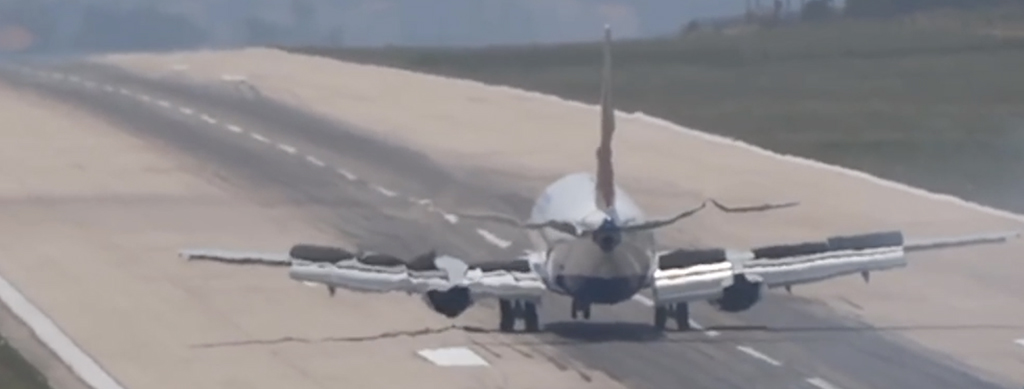
Visual distortions caused by light refraction.
Scalded ablative material used to protect vehicles from atmospheric re-entry might account for the object’s dark colour and rough emery paper like texture. It may also have contributed to the burning smell described by Robert along with the ignited jet fuel.
Inhalation of these noxious gasses can undeniably have led Robert to experience difficulty in accurately recalling certain aspects of his encounter, such as being attacked by the two naval mine like objects. In his first statement regarding the incident to UFO investigators Andrew Collins and Martin Keatman, Robert declared that he could not recall if the spikes actually touched either of his legs, and that when he fell forward he was unaware of being dragged. In addition, trauma, emotions and an inaccurate perception of an event can lead to False Memory Syndrome, a condition more common than most people realise.
In his original account, Robert stated that he had no recollection of the vehicle’s underside, therefore uncertainty must exist when determining the origin of the two naval mine like objects.Witnessing a procedure between the vehicle and its cargo, perhaps an automatic unloading in preparation for a retrival, canoffer an alternative explanation for Robert’s perceived attack.
The forensic segment of the police report stated that both the thigh area rips on either side of Robert’s trousers were consistent with having been pulled up. However, if Robert had snagged his trousers on specific objects, there is high probability that it would produce the same torn effects.
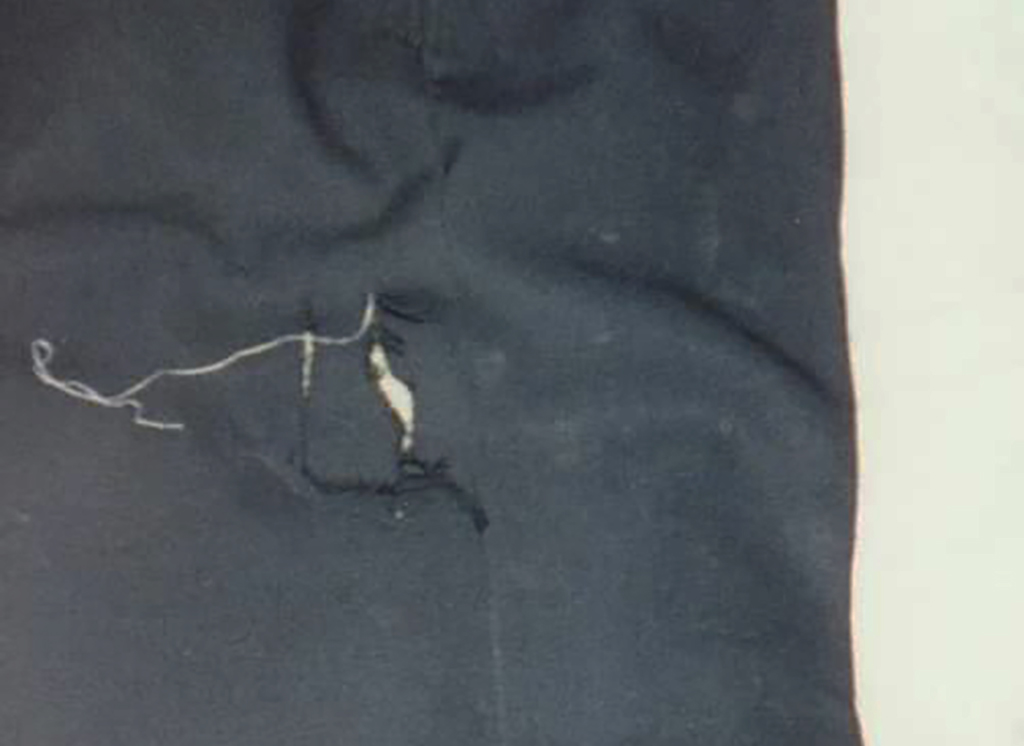
Robert Taylors torn trousers. Credit: Malcolm Robinson
Robert stated that as he attempted to flee the scene of his encounter he reversed his pick-up truck into a ditch. That particular truck was a 1969-1980 Bedford CF series. The commercial vehicle was not as refined when compared with todays standards, and the finish could be quite crude in certain areas. One such area was the door latch. It was positioned at exactly the correct height to be in alignment with Robert’s thighs when sitting in the vehicle.
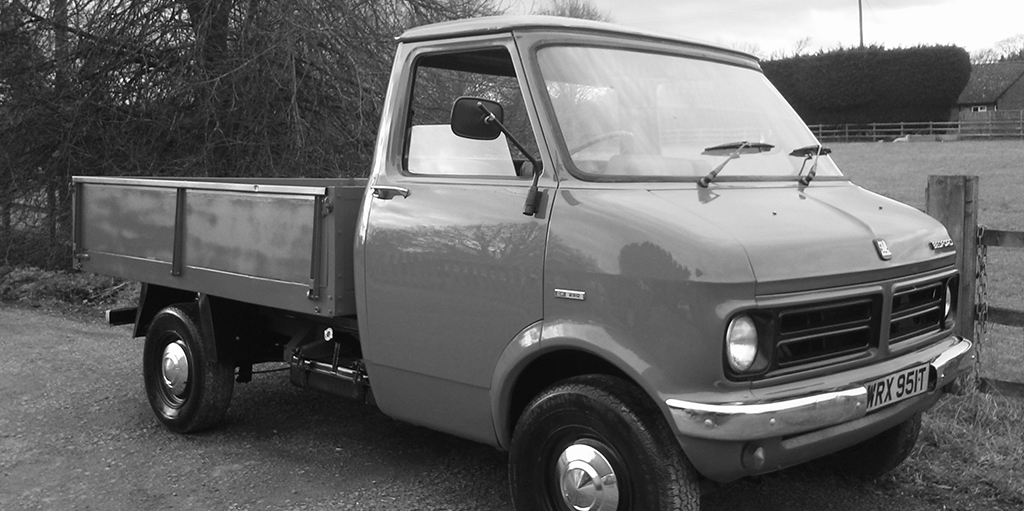
1978 Bedford CF pick-up truck, similar to the one used by Robert.
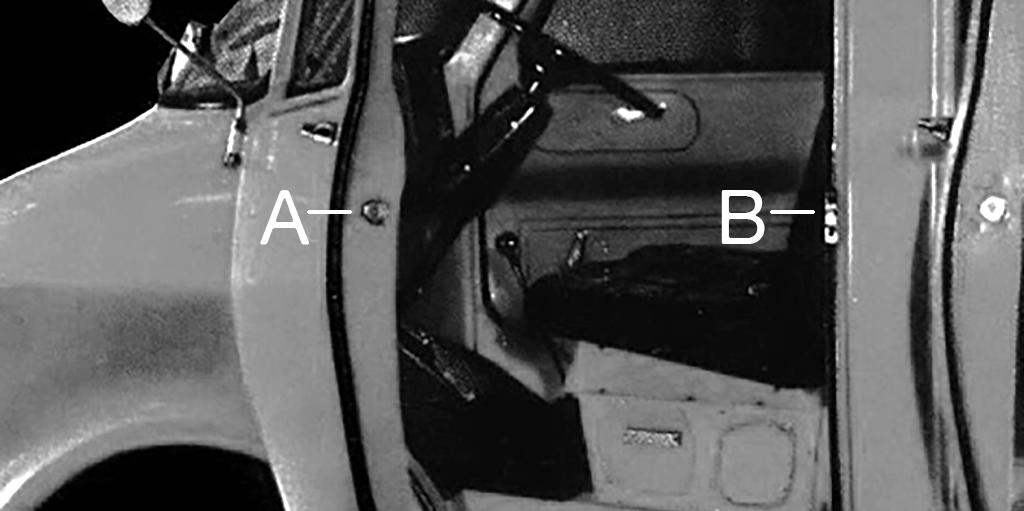
Bedford CF pick-up truck door latch marked A and B.
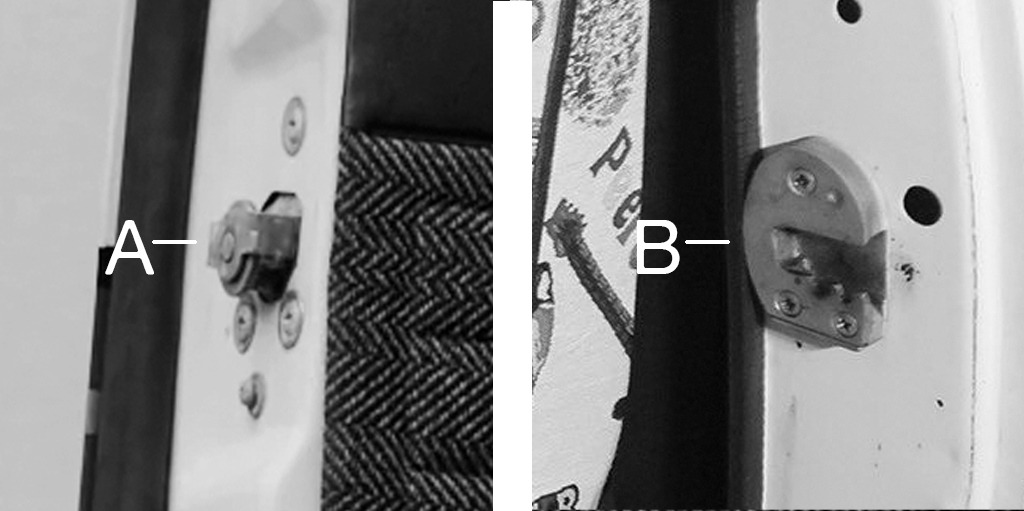
Bedford CF pick-up truck door latch (close-up) marked A and B.
Most likely, Robert’s pick-up truck would have been resting at an acute angle when in the ditch. Should that angle have been such that the nearside was closer to the ground than the offside, then the force of gravity would pull the offside door back towards the driver when opened. One can imagine the struggle and extra effort required when trying to exit a vehicle in such a situation, and under a similar neurological condition as Robert was. A high possibility exists that Robert’s thighs made contact with both components of the pick-up truck’s latch.
When analysing the flange and portholes that were described by Robert on the dome shaped vehicle, one can notice the remarkable similarity to features on Chrysler’s SERV. Arranged around the base of the conceptual STS was a series of protective doors shielding the modules of the Aerospike engine. During an ascent, these movable metal doors would spread out from the SERV’s body to help adjust for decreasing air pressure and create a flange around the vehicle’s base.The equally spaced rodlike appendages described by Robert on the flange, may simply have been hinges that open these shield doors.
Sitting slightly above the shield doors were an additional set of smaller openings. Equally spaced around the base, this second set of doors would open to provide air feed for the SERV’s jet engines, helping slow its descent prior to touchdown. Robert may have interpreted these doors as portholes.
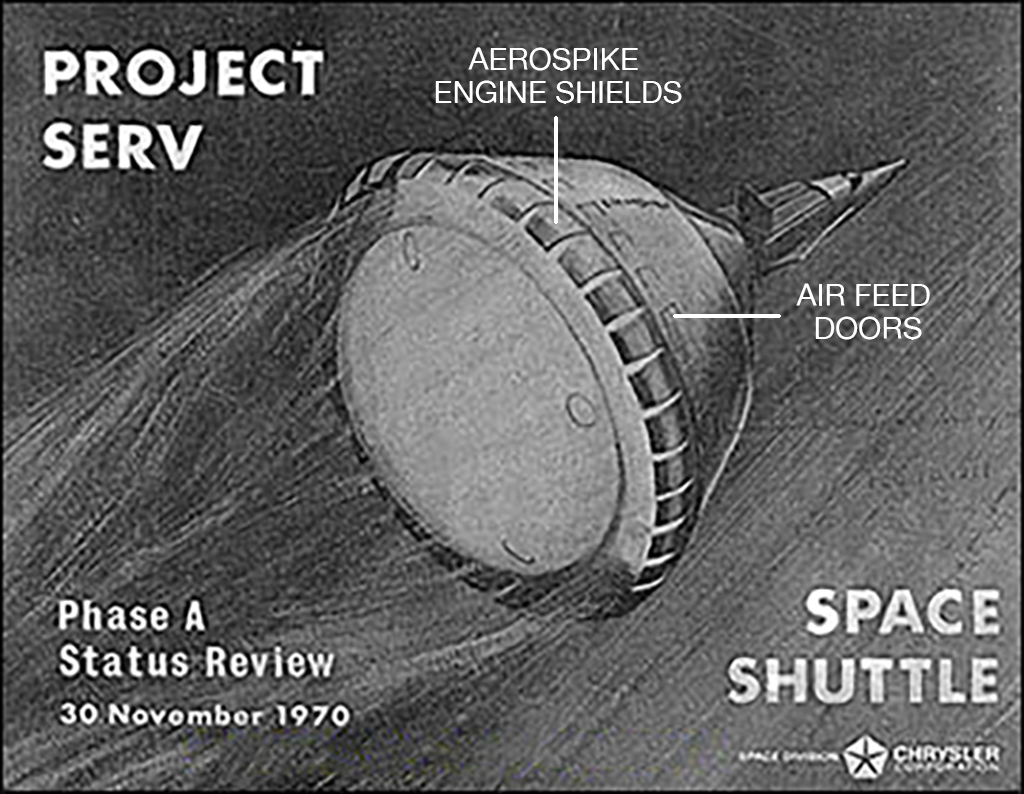
Artists impression of Chrysler’s SERV propelling a spaceplane to orbit. Credit: Dennis Jenkins
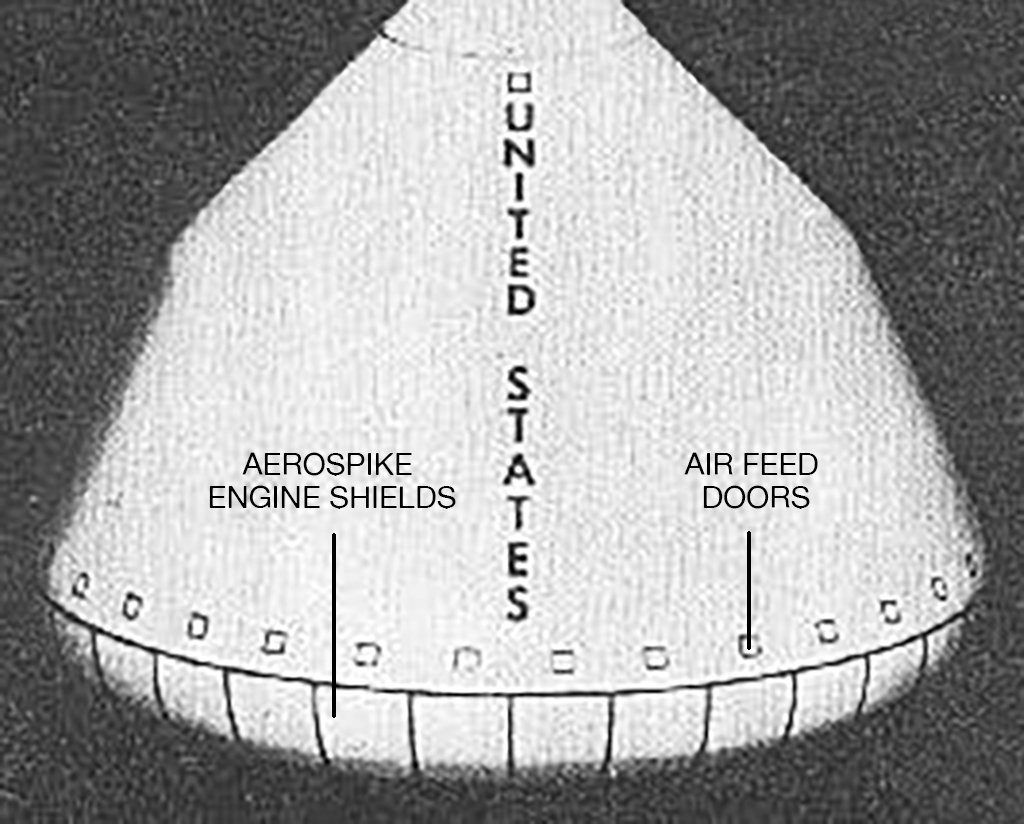
Chrysler SERV Air Feed Doors and Aerospike Engine Shields. Credit: NASA
At approximately 08:10 GMT (03:10 ET) on the 9th November 1979 two independent witnesses reported observing a bright light over the Dechmont Woods area. The first witness had only just stepped off her bus and began walking towards Bangour Village Hospital where she worked, when a distant hissing sound caught her attention. Looking in the direction of the strange noise, she caught sight of a bright yellow light in the sky that appeared to be descending towards Dechmont Woods. Several minutes later a cyclist, also travelling to work on the same road, spotted a similar, if not the same, bright yellow light in the sky also over Dechmont Woods. Although impossible to view a vehicle’s re-entry from the ground, the yellow light sighted by both witnesses suggests that a form of rockets may have been utilised to slow the descent of the potential SERV like vehicle witnessed by Robert.
THE UPPER HAND
A black budget is a Government allocation of funds appropriated to secret military programs and covert operations. Black budgets are largely classified due to national security reasons and are extremely difficult to calculate. The entire ethos of any organisation involved in any black program must surely be to keep it secret, in order to maintain a significant advantage over any hostile nation.
From its initial conception in 1974, Lockheed’s Have Blue program, later developed into the F-117A Nighthawk stealth aircraft, managed to stay under the strictest of secrecy until the program was publicly acknowledged in 1988. That’s no small feat when one considers the amount of personnel involved in such a project. This accomplishment is testament to the United States Government’s ability to keep things black as and when they want to.
LLNL Director, Edward Teller once stated that certain aspects of the Excalibur program were highly successful; however, he was prevented from sharing this information due to Government secrecy. If Excalibur had indeed been further developed behind closed doors to an operational status and hidden underneath an “official” narrative carefully crafted for public consumption, it seems unlikely that it will ever be public knowledge. The same can be said for a derivative of Chrysler’s SERV, at least until any such programs are declassified.
Interestingly, the LLNL was not the only organisation involved with research for the military application of X-Ray lasers. The Defense Advanced Research Projects Agency (DARPA) also directed funding towards its development since the 1960s. The Soviets equally demonstrated a strong interest and published numerous research papers on the subject; however, this abruptly ended in 1977 leading to broad conjecture in the United States that the Soviets had began classifying their reports. Also by 1977 DARPA had publicly declared little success with the X-Ray laser, stating they had redirected their funding elsewhere. This led many to speculate that the United States had similarly began classifying their own research, and their public announcement was a ruse to fool the Soviets.
A still classified DARPA report from 1977 on the feasibility of X-Ray laser space-based weapons systems only raises this suspicion.
By having the poor luck to inadvertently stumble upon the highly classified world of Ballistic Missile Defence, Robert may indeed have encountered a “spaceship”. Just not one from Space, but one from Earth.
Bye then.
Special thanks to:
Dr. William Burr – National Security Archive. Bill Otto – Lasers and Optics Consultant Boeing. Malcolm Robinson – Paranormal Investigator. Ron Halliday – Paranormal Investigator. Emma Boyd – National Library of Scotland. Harrier GR3 Jet Group – Facebook.
Sources:
The Dechmont Woods UFO Incident – Malcolm Robinson.
UFO Scotland – Ron Halliday.
Dechmont Woods – ufologie.patrickgross.org
Beam Weapons – Jeff Hecht.
Project Excalibur – Wikipedia.
Strategic Defense Initiative – Wikipedia.
From the Shadows – Robert M. Gates.
False Warnings of Soviet Missile Attacks Put U.S. Forces on Alert in 1979-1980 – National Security Archive.
The 3 A.M. Phone Call – National Security Archive.
Error Alerts U.S. Forces To a False Missile Attack – The New York Times.
Reply to USCINCEUR – Joint Staff Report, 17 Mar 1980.
Intelligence Community Experiment in Competitive Analysis – Soviet Strategic Objectives an Alternative View.
Team B Tackles the CIA – John T. Correll, Air & Space Forces Magazine.
Chrysler’s Radical Space Shuttle – Peter Holerith.
SERV/MURP: Chrysler’s Space Truck – Paul Drye, False Steps.
Chrysler tried to build a better space shuttle, NASA said No – Detroit Free Press.
Chrysler SERV – Wikipedia.
Project Iceworm – Wikipedia.
Thule Air Base – Wikipedia.
Mysterious Ice-Buried Cold War Military Base may be Unearthed by Climate Change – Julia Rosen.
Nukes of Hazard – Rob Edwards.
nukewatch.org.uk
Defence Nuclear Material Transport Operations – Wikipedia.
RAF Kirknewton – Secret Scotland.org.uk
rafkirknewton.com
The Scottish Roswell? – Dr David Clarke.
Project Genetrix – Wikipedia.
X-Ray Laser Applications Study, July 1977 – Physical Dynamics Inc.
 UFONAR
Good read, could explain lots of incidents that occurred.
You could tell me if you think they were capable of controlling the vehicle from distance as explained by the witness being overcome by fumes or do you think it was retrieved.
If the hypothesis is correct, I believe the object was an autonomous vehicle able to be controlled remotely, much like Chrysler’s SERV. It’s plausible that upon detection by Robert, the vehicle had enough fuel to be relocated to alternative concealment and await retrieval there.